September 28, 2026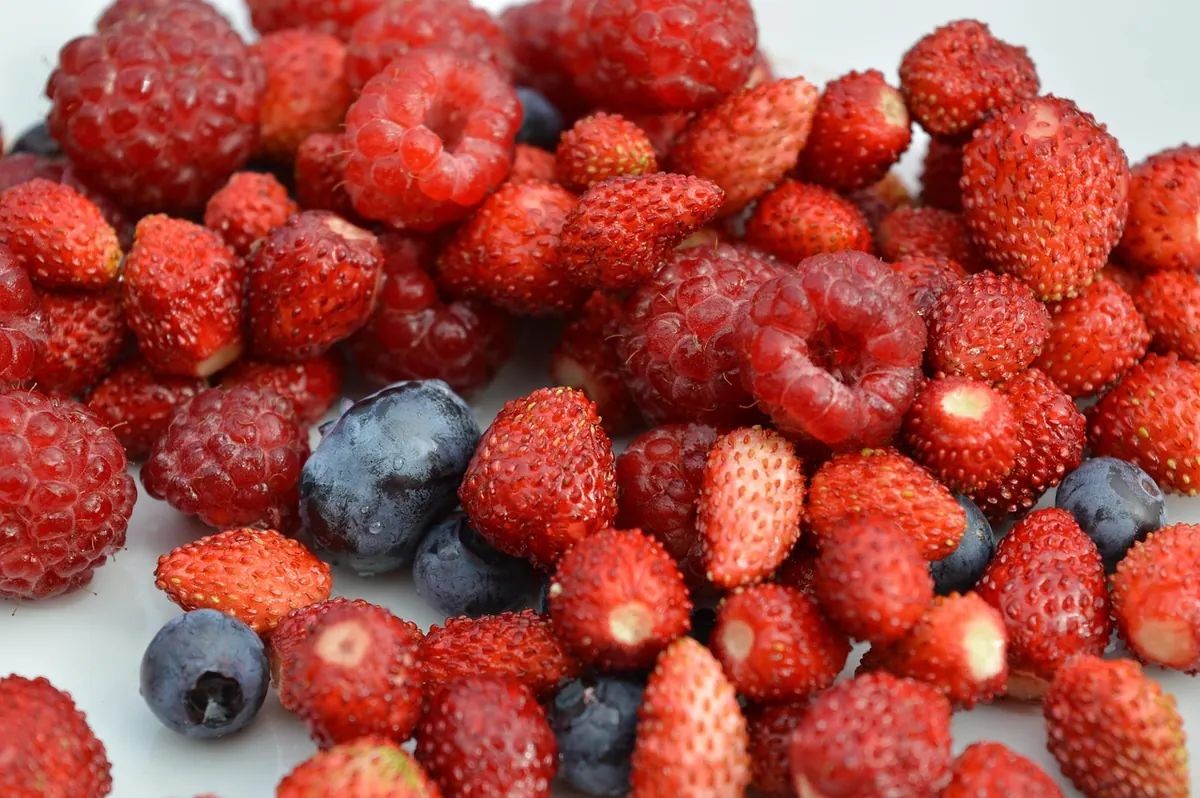
A punnet of strawberries can look flawless on Saturday morning and be wearing a grey fur coat by Monday. Raspberries are even less forgiving, sometimes going from firm to collapsing within a day. The culprit is rarely the fruit itself. It is moisture, crushing and warmth, and the first hour after you get them home makes most of the difference. Handle that hour well and you will often gain several extra days.
Sort them the day you bring them home
Tip the whole punnet out onto a plate or a clean tea towel and look at every berry. This takes two minutes and it is the single most useful thing you can do. Berries are not uniform, and the ones at the bottom of the punnet have usually been sitting in their own juice since they were packed.
Move bruised, dark or slightly squishy fruit into a separate bowl. Those are for eating today, folding into yoghurt, or cooking. Do not leave them in with the rest, and do not try to rescue a berry with fuzz on it. Mould spreads by spores, so lift out the mouldy one plus any berries touching it and throw them away. Soft fruit is not like hard cheese; there is no safe bit to cut back to.
Leave the green calyx on strawberries and don't pull the hulls off raspberries. Every tear in the skin is a doorway for moisture and mould. Pick out stray leaves, stalks and any berries that are leaking.
Delay washing, really delay it
Washing is the fastest way to ruin a good punnet. Surface water gives yeasts and moulds exactly what they need, and a wet berry left in a closed container will not last long. Rinse only the portion you are about to eat, and eat it within the hour.
Raspberries need particular care. Never soak them. Fill a bowl with cold water, tip the berries in, swirl gently for a few seconds and lift them straight out with your fingers or a slotted spoon. Spread them on kitchen paper and pat dry with a second sheet. If you have washed more than you need, dry them thoroughly, store them on fresh paper, and use them within a day.
If you are freezing a batch, you have two options and both work. Wash and dry them completely first, or freeze them unwashed and rinse once thawed. Wet berries freeze into a solid lump, so drying properly is worth the effort.
The paper towel method, step by step
Kitchen paper does two jobs. It soaks up juice from the berries and it catches the condensation that builds inside any container in a fridge. The aim is simple: keep the fruit cold and dry, and stop one soft berry from soaking the rest.
- Line a shallow container with a double layer of kitchen paper.
- Add the berries in a single layer, leaving a little space between them if you can.
- Lay another sheet of paper loosely over the top.
- Add a second layer only if there is genuine room. Strawberries manage two layers; raspberries should stay one deep.
- Rest the lid on rather than snapping it shut, or use a container with a couple of small holes. Some airflow helps, but the paper is what keeps things dry.
- Change the paper every day or two, or as soon as it feels damp to the touch.
Strawberries
Strawberries are the toughest of the soft berries, which is why they survive a supermarket shelf at all. They take two shallow layers and they cope with a light rinse if you dry them properly afterwards. Keep the calyx on, handle them gently, and never pour them from one container to another. Tip them instead.
Raspberries and other cane fruit
Raspberries, loganberries, tayberries and blackberries are hollow and fragile. One layer only, paper underneath and over, and check them daily for any that are going dark or collapsing. Blackberries are firmer than raspberries and will usually hold a day or two longer. Handle the whole punnet by sliding a hand underneath rather than gripping the sides.
Where to put them in the fridge
The salad drawer is the obvious home, but check the setting first. Many drawers are designed to hold humidity for vegetables, which is the opposite of what berries want. If yours has a humidity slider, set it to the vented or low setting, or simply use a middle shelf instead.
Avoid the back wall, where things freeze, and avoid the door, where the temperature swings every time it opens. Keep berries away from bananas, ripe apples, pears and melons, which release ethylene gas as they ripen and can nudge soft fruit along. And do not stack anything heavy on top of the container. Crushed berries leak, and leaking berries spread mould.
What shortens their life
- Leaving them in a soaked cardboard punnet or a sealed plastic bag.
- Rinsing the whole punnet on arrival.
- Crowding them into a deep bowl where the bottom layer is invisible.
- An afternoon on the worktop, or a warm car boot on the way home.
- One mouldy berry left in with the rest.
- Berries crushed under shopping at the bottom of a bag.
When they soften: freeze, cook, or eat today
Berries that are soft but smell and taste fine are perfectly good eating. Berries with fuzz, a sour fermented smell, or a fizzy taste are not, and should go in the bin. If you are pregnant, have a weakened immune system, or are simply unsure, take extra care and ask a health professional for advice.
To freeze, spread the berries on a tray lined with kitchen paper, freeze them in a single layer for a few hours, then tip them into a bag or box. Frozen this way they stay separate and you can pour out what you need. They will not have the same texture once thawed, so plan to use them in smoothies, crumbles and compotes, or simmer them gently with a little sugar and lemon until syrupy.
A two-minute daily habit
Every time you open the fridge, glance at the berry container. Lift out anything going soft, replace damp paper, and move the fruit that is past its best into a bowl marked for today. That is the whole system: cold, dry, uncrushed, and a little attention. Do it and strawberries will usually hold for the better part of a week, while raspberries will give you three or four good days. Long enough, in other words, to actually enjoy them.
Photo: 15071479 / Pixabay