September 13, 2026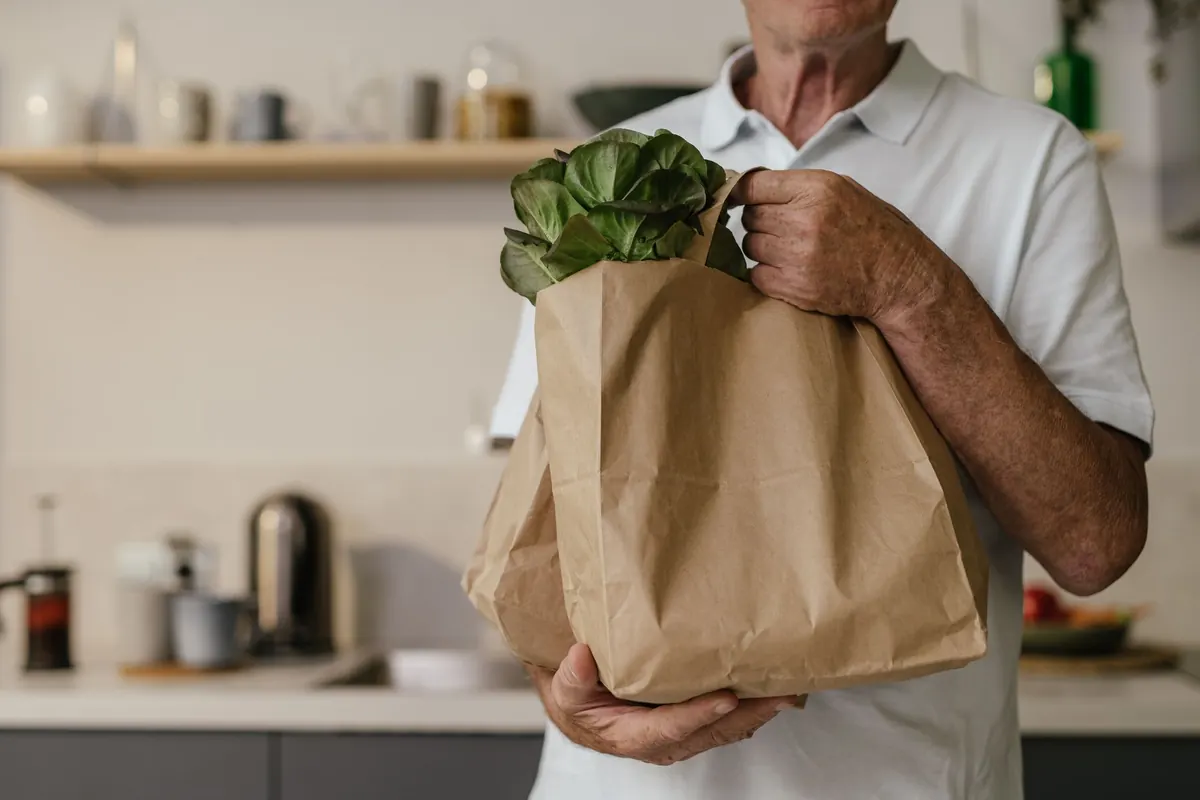
A hard avocado is a small kitchen frustration with a big payoff. You buy them on Tuesday, plan guacamole for Saturday, and on Saturday they are still solid enough to knock on a worktop. Or they ripen all at once, three days early, when nobody wants them.
The paper bag method is the simplest fix. It uses the fruit's own ripening gas, a ripe banana and a paper bag to cut the wait roughly in half, with no equipment to buy and none of the mush you get from parking an avocado on a radiator.
How the Paper Bag Method Actually Works
Avocados keep ripening after they are picked. They give off ethylene, a natural plant hormone in gas form, and they also respond to it: the more ethylene collects around the fruit, the faster the flesh softens and the flavour develops.
Left loose on the counter, most of that gas drifts away. A paper bag traps it in a small space, so the concentration around the fruit rises. Paper matters here. It holds enough ethylene in to speed things along while letting excess moisture escape. A plastic bag does the opposite, sealing in damp air, which is how avocados end up with slimy brown patches and a grey fuzz of mould.
Adding a ripe banana — or a ripe apple, pear or kiwi — multiplies the effect. Those fruits release a lot of ethylene as they ripen, and in a closed bag they pass it straight to their neighbour.
Temperature matters too. Ethylene works fastest between roughly 18°C and 24°C, which is a normal kitchen most of the year. Below about 10°C, ripening stalls almost completely. That is why an avocado in the fridge stays hard for a fortnight, and why a cold windowsill in January is a poor ripening spot.
What You Need
- A paper bag — a brown lunch bag, or a larger paper grocery bag with the top folded down
- One ripe banana, ideally with a few brown speckles on the skin
- One or two firm, unripe avocados
- Optional: a sheet of kitchen paper if the fruit feels damp
Skip the plastic bag, the sealed tub and the bread bag with the plastic window. You want breathable, not airtight.
Step by Step
- Pick the right fruit. Choose avocados that are firm all over with an intact skin. Reject any with soft dents, splits or dark sunken patches — those bruises will rot rather than ripen.
- Leave the stem nub alone. That small button at the top is your ripeness indicator later. Prying it off early opens a wound where mould gets in and the fruit dries out.
- Add the banana. A green banana will do almost nothing. A ripe one, slightly past its best, is what you want.
- Fold the top of the bag over twice. You are aiming for enclosed, not sealed. A loose fold is plenty.
- Put it somewhere ordinary. A kitchen counter, a shelf away from the oven, the top of a cupboard. Avoid direct sun, radiators and windowsills above a radiator.
- Check once a day, then twice from day two. Feel through the bag with a gentle squeeze rather than opening it up.
- Take the banana out once it collapses — or eat it. A rotting banana adds mould risk more than ripening power.
- Expect one to three days with a banana, compared with four to seven days left loose on the counter. Two avocados in one bag ripen faster than one, because there is more ethylene in the air.
How to Tell When an Avocado Is Ready
The stem test
Press the little stem nub sideways with a thumb. On a ripe avocado it loosens and lifts away with almost no resistance, showing pale green flesh underneath. If it holds firm, give it another day. If it comes away easily and the flesh beneath is brown or stringy, the fruit has gone past its best.
The gentle squeeze
Cradle the avocado in your palm and press lightly with the pad of your thumb. Ripe fruit yields slightly, with about the give of the fleshy part of your hand below the thumb. Rock-hard means underripe. Soft and spongy everywhere means it is heading for the bin. Press in one spot only — repeated prodding bruises the flesh under the skin.
Colour, with caution
Hass avocados darken from green to near-black as they ripen, which is a useful hint. Other varieties, including Fuerte and many green-skinned types, stay green even when perfectly ripe. Trust feel and the stem test over colour.
If It Isn't Working: Common Problems
Still hard after three days
Some fruit is picked too early and chilled hard during shipping. Immature avocados can be stubborn and occasionally never soften properly. Try a fresh banana, move the bag somewhere warmer, and give it two more days. If it is still like a stone after that, it is unlikely to come good.
Mould or a sour smell
Moisture is the culprit. Wipe the avocados dry, throw the bag away and start again with a clean one. Never ripen fruit that already has damp patches.
Soft in one place, hard in another
Avocados ripen unevenly, usually from the stem end down. Turn the fruit over each day so the same side is not always against the bottom of the bag.
Once It's Ripe: Storage and Use
Move a ripe avocado straight to the fridge, where the cold slows ripening almost to a stop. It will hold for two or three days, sometimes a little longer. Bring it out twenty minutes before eating; fridge-cold avocado tastes of very little.
For a cut avocado, leaving the stone in does not do much to stop browning. Acid is more reliable — a squeeze of lemon or lime over the exposed flesh — along with pressing cling film right down onto the surface. Eat it within a day or two.
If one ripens faster than you can use it, mash it with lime juice and freeze it in portions. It will not slice afterwards, but it works perfectly in dressings, smoothies or a chocolate mousse.
The Short Version
Drop firm avocados in a paper bag with one ripe banana, fold the top over, and leave them somewhere warmish. Check daily with a light squeeze and the stem test. Most fruit will be ready in one to three days. Then straight into the fridge to hold it there. That is the whole trick, and once you have used it a couple of times you will stop guessing and start planning around it.
Photo: SHVETS production / Pexels