September 23, 2026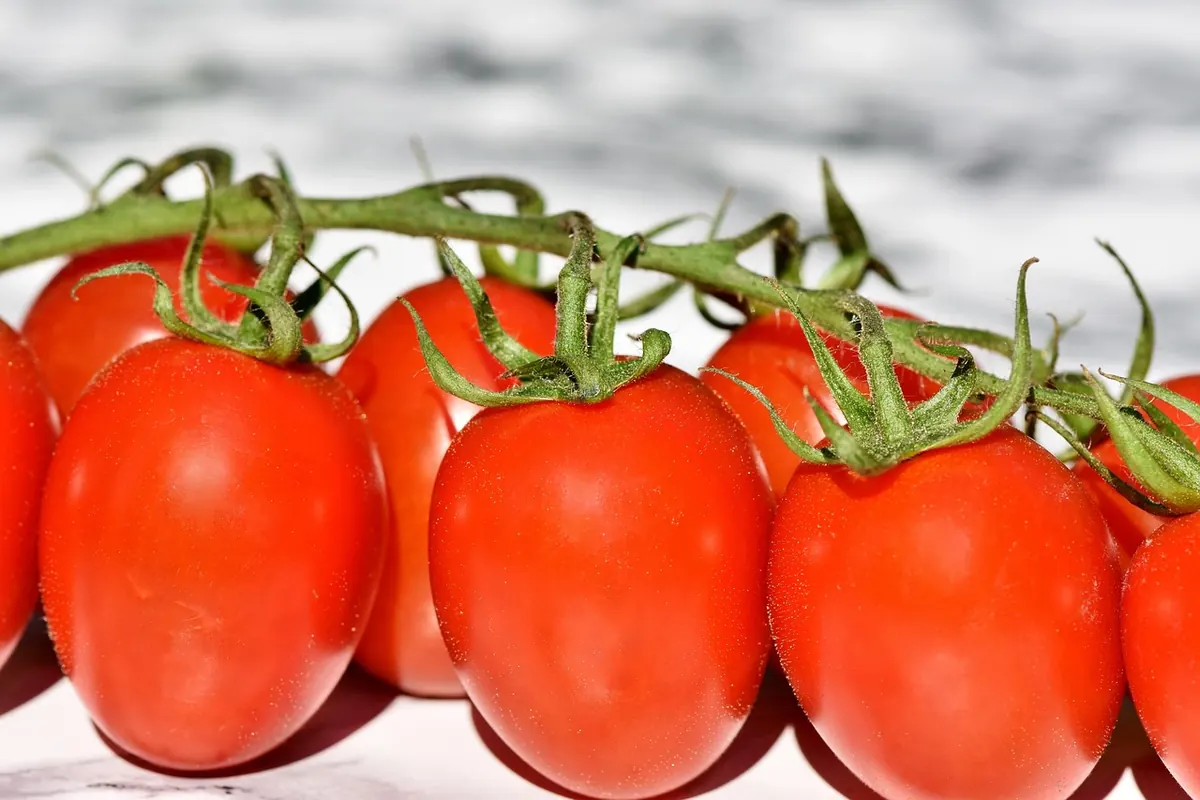
By mid-September, most growers have a bowl of green tomatoes doing time on the kitchen windowsill. It looks like the obvious spot: bright, warm, and somewhere you will notice them. It is also where more tomatoes stall, wrinkle and quietly rot than anywhere else in the house. The fruit is rarely the problem. Usually it is one of four setup mistakes — too much sun, too much cold, too little air, or a careless hand at the stem.
Mistake one: leaving them in full sun
It seems logical. Tomatoes ripen in sunshine outdoors, so a sunny sill must be the next best thing. But once a tomato is off the vine, light stops mattering. Ripening is driven by warmth and by ethylene, the gas the fruit produces itself, and sunshine does not speed that up.
Behind glass, it does the opposite. A south-facing sill on a bright afternoon gets far hotter than the fruit can handle. The damage is easy to spot once you know it: a soft sunken patch on the sunny side, split skins, or a tomato that reddens on one half while the other stays hard and green. Strong light also bleaches colour, leaving pale fruit that tastes flat.
Aim for bright but indirect — a shelf a foot back from the window, or a sill that only catches morning sun. Turn the fruit gently every day or two so no single side bakes.
Mistake two: forgetting how cold a windowsill gets
Windowsills are the coldest part of most kitchens at night. Cold air sinks towards the glass, and beside a single-glazed or draughty window the temperature can sit several degrees below the rest of the room, even in a warm house.
Tomatoes dislike that. Ripening slows noticeably below roughly 12°C, and fruit held below about 5°C can suffer chill injury. A chilled tomato may colour up eventually but stay mealy and bland, or develop watery patches that never firm. Once that has happened, no amount of fussing will fix it, so cook those rather than wait.
Keep the temperature steady
Big swings between a hot afternoon and a cold night are nearly as bad as constant cold, because condensation forms on the skins and invites mould. Newspaper, a folded tea towel or a strip of bubble wrap under the tray insulates against a cold sill. If the window is old, move the tomatoes to a worktop or shelf at night.
Mistake three: piling them into a heap
The instinct is to fill the bowl. Resist it. Ethylene needs to move around the fruit, and a deep pile traps it in the middle along with moisture — ideal conditions for grey mould. Fruit in a heap also bruises against its neighbours, and a bruise ripens too fast, then collapses into rot that spreads through the bowl in a day or two.
Spread them in a single layer with a little space between each. Shoulders up keeps the softest part of the fruit off the tray. Sort the bowl daily, removing anything with a soft brown patch, a leak or a fuzzy grey bloom, and check the fruit beneath it. A clean dry cloth under the layer soaks up drips and makes that job quick.
Mistake four: pulling the stems off
The stalk leaves a small scar, and the green, star-shaped calyx around it protects the shoulder of the fruit. Tear either away by hand and you usually take a little skin with them. That torn shoulder is the first place mould gets in, and nearly always the first part of the tomato to soften.
There is a persistent idea that removing the calyx lets ethylene escape. The effect is negligible; the wound is not. Leave stems and calyxes intact while the fruit ripens, and twist the stalk off only when you are about to use the tomato. If a stem must come off, snip it with scissors and leave a short stub rather than a gouge.
The same goes for washing. A wet tomato on a windowsill is a tomato inviting rot. Wipe off soil with a dry cloth and save the rinse for just before it goes in the salad.
Smaller habits that also stall ripening
None of these ruins a whole bowl on its own, but each costs you days or spoils the flavour of the fruit you waited for.
- Chilling green fruit in the fridge. Cold stalls ripening and roughs up the texture. The fridge is for tomatoes that are already ripe and that you cannot eat in time.
- Sealing them in a plastic bag. Trapped moisture and no airflow means mould. Use a paper bag, a cardboard box or a drawer.
- Squeezing them every day. Bruises are where rot starts. A gentle press at the shoulder every couple of days tells you all you need to know.
- Storing them with overripe fruit. A ripe banana can nudge stubborn green tomatoes along, but a rotting one will take the bowl with it.
- Putting them somewhere genuinely hot. On a radiator, above the oven or in a sun-baked conservatory, the heat gets high enough to disrupt the fruit's own ripening, leaving soft, flavourless tomatoes.
- Leaving them on a dying plant. Once the vines are mildewed, blighted or blackened by frost, there is nothing left on the plant to help. Pick the fruit and finish it indoors.
Setting up a windowsill that actually works
If you change one thing, move the tomatoes back from the glass. A shelf a short distance from the window, with steady moderate warmth and no draught, will beat a sun-baked sill every time. Then keep it simple:
- Lay the fruit in a single layer, not touching, on a tray lined with newspaper or a dry cloth.
- Keep it out of direct sun and away from open windows, doors and radiators.
- Add a ripe banana or apple nearby, or slide the tray into a clean cardboard box or paper bag, to raise the ethylene. Check daily, as this speeds things up.
- Sort every day: eat anything ready, remove anything damaged.
A tomato that is fully coloured and gives slightly at the shoulder is done. Eat it, or refrigerate it if you cannot get to it that day. Anything chilled, split, or sitting unchanged for three weeks belongs in a chutney or a roasting tin rather than on the sill. Ripen what you can, cook the rest, and stop feeling guilty about the green ones.
Photo: Ralphs_Fotos / Pixabay