September 15, 2026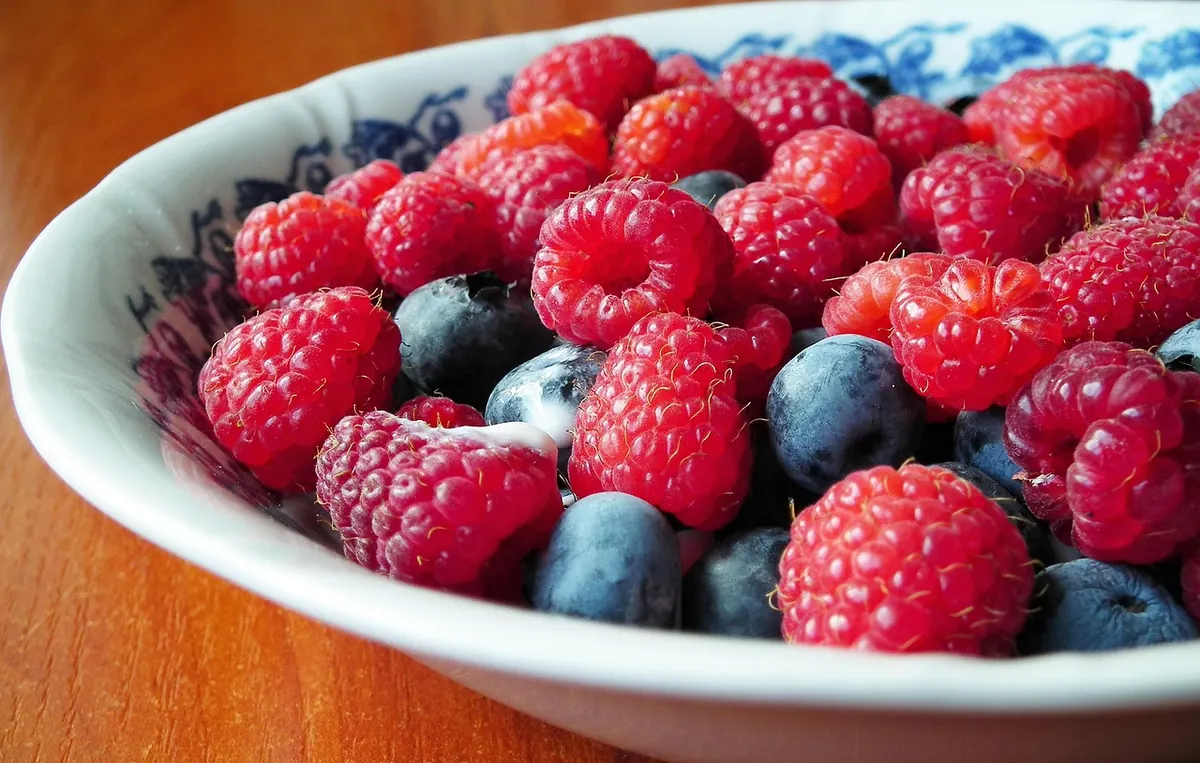
A hard peach is not a bad peach. It simply hasn't finished ripening yet, and given the right conditions it will finish on your kitchen counter rather than in a warehouse. Ripening fruit at home comes down to three things: one gas, one temperature, and the daily habit of checking. Get those right and you'll eat better fruit, bin less of it, and stop guessing whether that avocado has finally reached the point.
The Gas That Does the Work
Fruit ripens with the help of a natural plant hormone called ethylene. Some fruits produce a great deal of it, some produce a little, and some produce almost none once they've been picked. That difference decides whether a fruit softens and sweetens on your worktop or stays exactly as it was in the shop.
Fruits that carry on ripening after harvest are described as climacteric. Those that don't are non-climacteric. You don't need the jargon to shop well, but you do need to know which is which, because it's the difference between buying cleverly and buying hopefully.
What Ripens at Home, and What Doesn't
This is the single most useful thing to know before you plan a week of meals around a bowl of fruit.
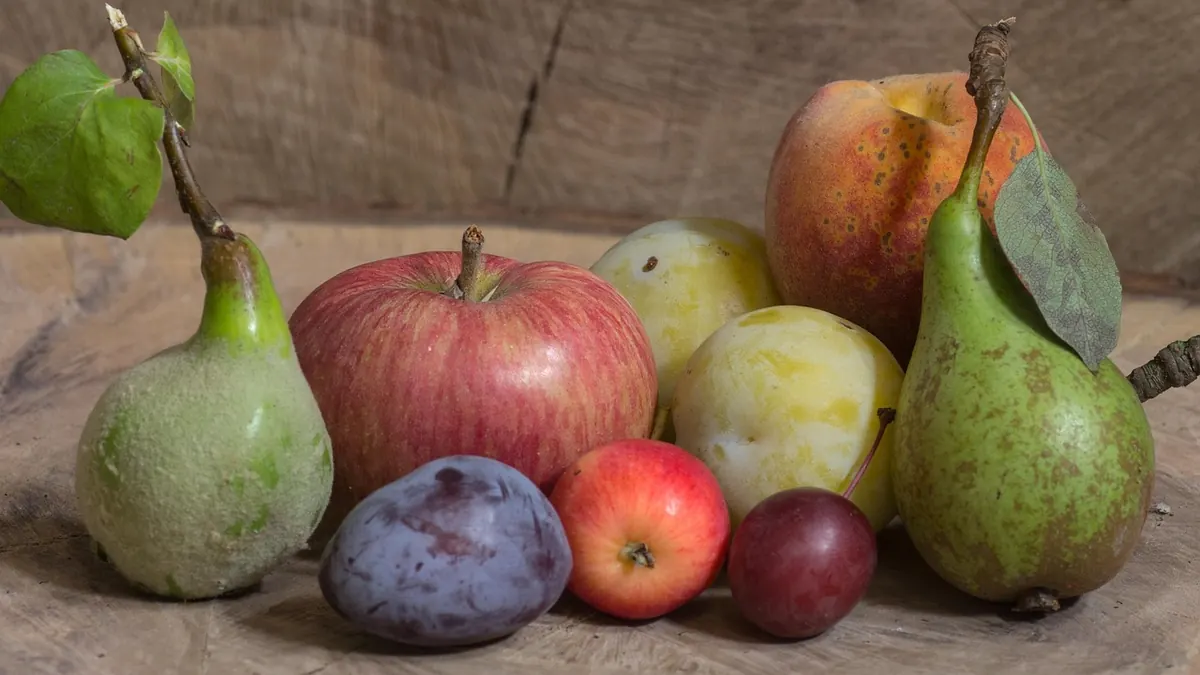
- Continues ripening after picking: bananas, avocados, mangoes, pears, peaches, nectarines, plums, apricots, kiwifruit, tomatoes, figs, papaya, persimmons and apples.
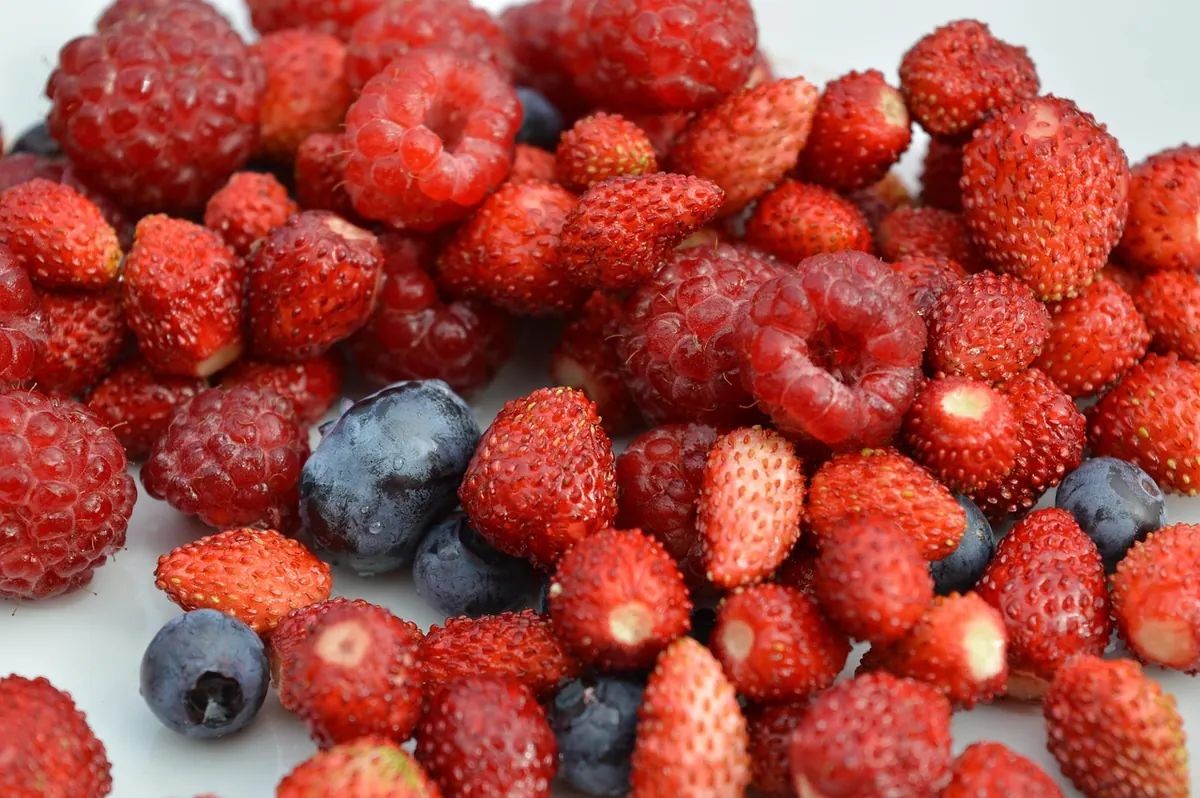
- Won't improve once picked: citrus fruit, grapes, strawberries, raspberries, blueberries, cherries, pineapple, watermelon and pomegranates.
That second list matters at the till. A pale strawberry will not deepen in flavour on your windowsill, however long you leave it there. Buy those as ripe as you can find them and eat them soon. The first list, by contrast, rewards a bit of patience — and a few of them, particularly pears and avocados, are actually better bought firm, because they arrive bruised and grainy if they've been left to soften in transit.
Setting Up a Ripening Spot
Ripening is slower in the cold and faster in the warm, so a worktop away from direct sun is ideal. Aim for a normal room temperature rather than a spot above a radiator or beside the oven, which speeds things up unevenly and can soften fruit before the flavour catches up.
A few habits make a real difference:
- Spread fruit out in a single layer rather than heaping it in a bowl, so air can move around each piece.
- Leave the skins dry. Washing fruit before it's ripe traps moisture against the skin and encourages mould.
- Check daily, and lift pieces out as they ripen rather than handling the whole bowl.
- Keep ripening fruit away from ethylene-sensitive vegetables — leafy greens, broccoli, cucumbers and carrots will yellow or turn limp faster if they're sitting next to a bowl of bananas.
Speeding Things Up
If you need fruit ready for tonight rather than Thursday, give ethylene somewhere to gather. A brown paper bag is the classic tool: it holds the gas close to the fruit while letting a little moisture escape. A ripe banana or an apple dropped in with it will raise the concentration further, since both are generous ethylene producers.
Fold the top of the bag loosely rather than sealing it, and check every few hours, because a bag can move things along faster than you expect. Avoid plastic bags entirely. They hold the gas in, but they also hold water in, and a sweaty avocado in a sealed bag will grow mould long before it grows soft.
Warmth helps too, within reason. A bowl on a sunny windowsill will ripen faster than one in a cool pantry, but strong direct sun can cook the fruit and leave it uneven. If you're in a hurry, a slightly warm corner of the kitchen beats a hot one.
When to Move Fruit to the Fridge
The fridge is a pause button, not a ripening chamber. Cold slows ethylene production and the fruit's response to it, which is exactly what you want once something is ready to eat — and exactly what you don't want before that point.
So the rule is simple: ripen on the counter, then chill. A ripe peach moved to the fridge will keep several days longer than one left out. An unripe peach put in the fridge may never soften properly at all, and stone fruit, avocados and tomatoes can suffer chilling damage that leaves them mealy and dull.
Two exceptions are worth knowing. Bananas go black in the fridge, but only the skin suffers — the flesh inside stays firm and sweet, which makes them fine for smoothies and baking. Tomatoes are the other: chilling mutes their flavour noticeably, so many cooks keep them out of the fridge altogether and simply buy fewer, more often.
Knowing When It's Ready
Colour is a rough guide, but touch is more reliable, and different fruits give different signals.
- Avocado: gentle pressure near the stem end should yield slightly. Rock hard means wait; mushy means it's gone too far.
- Pear: press the neck just below the stem, not the middle. Pears ripen from the inside out, so the centre softens first.
- Peach, nectarine, plum: a slight give at the shoulder, plus a smell you can catch without putting your nose against it.
- Mango: softens along the whole length, and the skin near the stem smells sweet and resinous.
- Kiwi: yields to a light squeeze, like a ripe avocado.
- Tomato: gives a little at the stem end and smells like a tomato, not like a supermarket shelf.
Ripening at Home, in Short
Buy firm only the fruit that keeps improving — bananas, avocados, pears, stone fruit, mangoes, kiwis and tomatoes. Keep them loose on the worktop, dry, in a single layer, and out of the sun. Use a paper bag and a ripe banana when you need to hurry things along. Check daily, move each piece to the fridge the moment it's ready, and keep it away from the greens.
None of this is complicated, and none of it takes equipment. The whole method is really just paying attention to a piece of fruit for two or three days instead of ignoring it for a week — which is, more often than not, why the fruit in the bowl is either perfect or past it.
Photo: MrGajowy3 / Pixabay